

Can CBD Help With Rheumatoid Arthritis?
CBD can be beneficial for chronic pain, such as Rheumatoid arthritis. CBD may also help reduce depression and anxiety. But more research is needed.
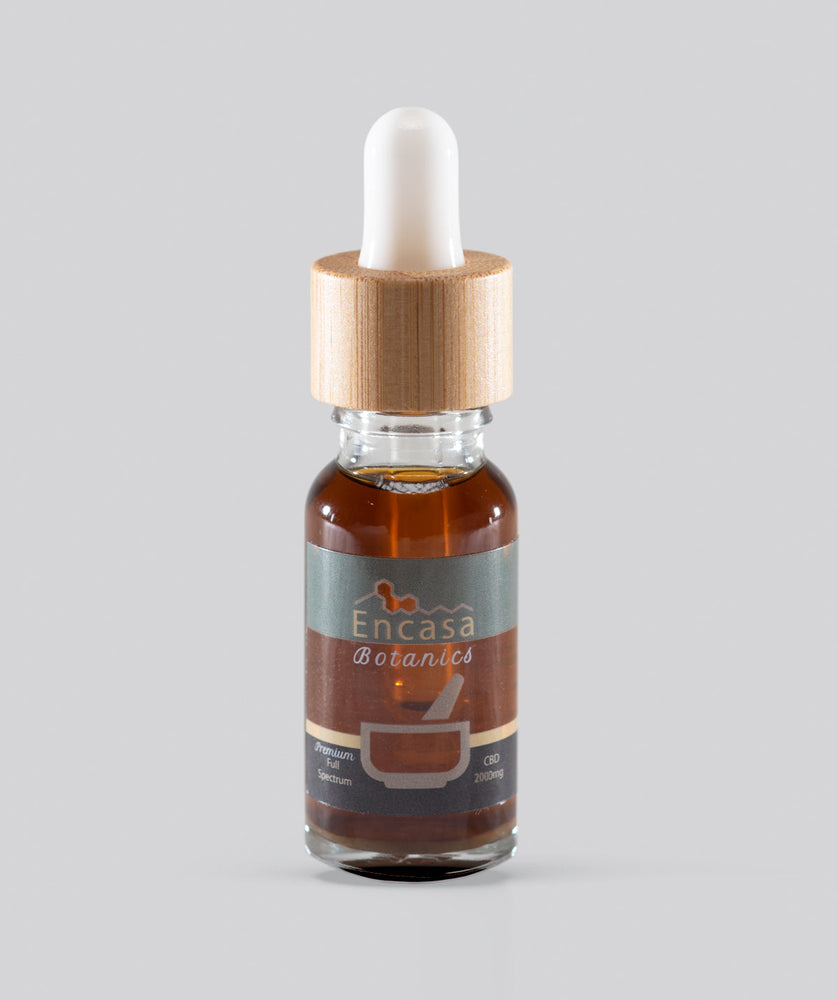
CBD can cause drowsiness. Therefore, it is best not to combine it along with other medications that cause you to be sleepy. This includes selective serotonin Reuptake inhibitors (like Zoloft) and tricyclic antidepressants.
Can it help with arthritis?
CBD reduces inflammation responses, which contribute to the stiffness and pain that are that are associated with arthritis. It also has been proven to stimulate apoptosis, an organic process in which damaged cells die.
CBD has been found to reduce pain in a number of people suffering from arthritis. Some also have reported better sleep or less anxiety. Although there is some evidence to suggest that CBD can aid arthritis, it's best to consult with your doctor prior to making use of it.
CBD can be consumed in the form of an oil or applied topically on a painful joint. Topical products include balms and oils that are massaged into the skin over the affected area. Other ingredients like capsaicin and menthol can mask the effects or make them less apparent. They can also be inhaled via a vaporizing pen.
Can it ease anxiety?
CBD has been shown in studies to reduce anxiety and could help with other disorders that are triggered by stress, for instance PTSD. It is thought to work by enhancing serotonin signals and by blocking CB1 receptors that are linked to anxiety.
CBD has also been found to reduce arousal, and also prevent the reliving memories of fear. It can also help with insomnia and other symptoms of anxiety disorders.
In one study, CBD reduced blood-oxygen-level dependent activation in the amygdala and anterior cingulate cortex during viewing a face that is frightening, and reduced skin conductance responses evoked by the stimulus. This effect was not caused through CB1Rs but rather 5-HT1ARs. CBD showed a bell-shaped dose response, with high dosages being ineffective. Its anti-compulsive and anxiety-reducing actions, a decrease in autonomic arousal and conditioned fear expression, enhancement of extinction and reconsolidation blockade, and the ability to reduce the long-term adverse effects of stress suggest that it could be used as a treatment option for GAD, PTSD, and other anxiety disorders.
Can it help with depression?
Depression is a mental health issue that can be life-threatening. There are a variety of ways to combat it. Antidepressants that are of the traditional kind work by balancing brain chemicals. They may also cause side effects.
CBD, a nonpsychoactive compound that is found in hemp and marijuana plants, may help relieve depression symptoms. It can also help improve your mood. It works with cannabinoid and neurotransmitter receptors, which can reduce anxiety and pain as well as promote sleep.
CBD has been shown to be effective at treating depression and anxiety. It works by cutting down serotonin Reuptake and activating the adenosine pathways that can soothe the nervous system. It can also raise BDNF levels that are lower in people suffering from depression. It is available in cream sprays, capsules and E-liquid. It is important to talk to your doctor prior to trying any new health supplement. There could be medical issue that requires a different dose or interaction with a different medication.
Can it help with psychosis?
Psychosis is a medical term for thoughts of confusion and delusion that can result from various causes such as drug use, extreme stress or sleep deprivation. CBD (cannabidiol) is the cannabinoid in cannabis plants that doesn't contain the psychoactive ingredient known as THC. CBD is a psychoactive ingredient that can ease symptoms like hallucinations and delusions.
In several clinical trials CBD has been proven to reduce symptoms of psychosis. However the majority of these studies utilized CBD as an adjunctive treatment in conjunction with traditional antipsychotics. It is believed that CBD aids in reducing psychosis by acting on the NMDA receptor in the brain.
This is a different mechanism from the current antipsychotic drugs that target dopamine. Our research at the NIHR Maudsley Biomedical Research Centre has also revealed that CBD enhances the activity of the hippocampus and striatum - areas that are affected by those suffering from psychosis.
Can it help with seizures?
A seizure occurs when the neurons are firing in a different way. This can cause a range of symptoms, such as shaking and crying. CBD has been proven to decrease the frequency and severity of seizures.
Epidiolex is an approved prescription CBD medication, has been approved to treat seizures associated with Lennox Gastaut syndrome and Dravet Syndrome as well as Tuberous Sclerosis Complex (TSC).
Studies show that CBD increases levels of GPR55. This decreases the release of calcium into cells, thus reducing excitatory currents, and stopping the flow of electrical impulses that could trigger seizures. In encasabotanics.co.uk that included CBD was found to be a CBD oral solution reduced the number of seizures in patients suffering from LGS who were taking at least one antiepileptic drug as reported by the NIH. However, serious adverse reactions (SAEs) were observed in three patients, including catatonia, status epilepticus and severe weight loss.
Can it ease pain?
CBD is a phytocannabinoid, that is not psychoactive. It can be employed to relieve pain and reduce the need for opioids. It has been shown to be effective in decreasing chronic pain caused by arthritis, fibromyalgia and multiple sclerosis. It can be taken orally, topically or inhaled.
CBD has been demonstrated in animal models to reduce neuropathic discomfort by blocking conditional preference and decreasing mechanical allodynia. This effect is caused by 5-HT1a receptors and prevented by the antagonist of 5HT1a WAY100635. CBD increases the anti-nociception produced by morphine in hot plate thermal and acetic acids-stimulated stretching.
Orally administered CBD has also been proven to reduce seizures significantly in patients with Lennox-Gestaut disorder and Dravet syndrome, which is a severe form of childhood-onset epilepsy. However, oral administration may trigger side effects such as somnolence as well as decreased appetite in some patients. This is why researchers are studying the development of CBD-THC combination medicines.
Can it help you sleep?
Pain is among the leading causes of insomnia, and a lot of sleep aids are made up of painkillers. Overdoses on these medications can result in serious adverse effects, such as heart attacks and stroke. CBD is safe and it can help relieve anxiety and pain. This can help promote restful sleeping.
CBD is a drug that interacts with your body's endocannabinoid system, which helps regulate chemicals that affect your sleep-wake cycles. It can also help reduce snoring and improve the quality of sleep for people with obstructive sleep apnea. It's important to consult your doctor prior to taking any new supplements. They can tell if CBD interferes with any other medications you are taking, or if it has any other negative effects on your health. This will ensure that you receive the best possible results from your treatment. It can also aid in avoiding any potential adverse effects or risks.
Can it help with stress?
When people are under stress, CBD can help with the physical symptoms of anxiety, like an accelerated heart. This is because it works with the endocannabinoid system to alter serotonin signals which is a neurotransmitter that plays a big role in mental health. It has been demonstrated that it can reduce anxiety in animals, and improve moods of people.
It can also reduce the long-term anxiogenic effects of stress and also enhance extinction and block consolidation of aversive memory. This was discovered by examining the blood-oxygen-dependent activation of the amygdalas and anterior cingulate cortices response to images of fear. CBD reduced this activation. It was discovered that this effect was caused by the -CB1 receptor. CBD also enhanced the extinction of contextually-conditioned fear responses in rodents by preventing reconsolidation. This was mediated via the -CB1R receptors and 5-HT1AR agonists.
Can it help you lose weight?
People who utilize CBD to lose weight typically take it in the form of tinctures or capsules. CBD that is consumed orally is absorbed by the digestive tract before it reaches the bloodstream. This means that the effects can last longer than when applied topically.
She adds that research shows that CBD can help suppress appetite by blocking a hormone dubbed Ghrelin that increases the appetite. CBD's anti-inflammatory properties ease the fatigue and muscle pain. This may aid in weight loss.
CBD's mood-enhancing properties can also help to reduce anxiety and stress which can trigger emotional eating. And the terpenes present in this hemp extract -- including caryophyllene, bisabolol, linalool, and nerolidol -can help you get a better night's sleep and remain asleep through the night, which in turn will boost your metabolism and help you achieve your weight reduction goals.
Can it help with sleepiness?
Anxiety is often the root cause of sleep problems. CBD has been shown to ease depression and anxiety and improve sleep. CBD can also aid in circadian rhythm disorders, such as those experienced by nurses who work shifts and have inconsistent sleep windows.
CBD may also alleviate symptoms of obstructive sleep apnea such as nighttime sweating, and sudden awakenings due to gasping for air or choking. CBD is also known to alleviate pain, which can hinder sleep. It can even treat restless leg syndrome, which causes tingling and an urge to move your legs. This can be very disruptive to sleep. Small doses of cbd also have been shown to display an energizing effect for a short time, so it is crucial to know the ideal time to take it prior the time you go to sleep. It is recommended that it be taken between 30 and two hours before bed.